"AI camera" is on almost every security camera box now, but it covers a wide range of very different capabilities — from a camera that can tell a person apart from a passing car, to one that can log every number plate entering a driveway. Here's what AI object recognition and license plate recognition actually do, where they genuinely help, and where the marketing gets ahead of what the hardware can deliver.
From Motion Detection to Object Recognition
Older CCTV systems trigger on motion, full stop — a cat crossing the yard, tree branches moving in the wind, or headlights sweeping across a wall all set off the same alert as an actual intruder. That's how people end up muting notifications entirely, which defeats the point of having a camera.
Modern AI-enabled security cameras run a detection model — either on the camera itself or on the connected NVR — that classifies what actually caused the motion before sending an alert: person, vehicle, animal, or package. Instead of "something moved," the notification becomes "a person was detected at the front gate," and footage becomes searchable by object type rather than scrubbing through hours of recording.
What License Plate Recognition (ANPR) Actually Does — and Doesn't
Automatic Number Plate Recognition (ANPR), sometimes called LPR, is a step beyond general object detection: it's trained specifically to locate and read the characters on a number plate, then log or alert on that plate — useful for gated properties, strata driveways, and businesses that want a record of every vehicle entering the site.
Here's the part that's often oversold: not every camera that detects "vehicles" can reliably read plates, even at high resolution. Accurate plate reading generally needs a camera positioned and angled specifically for that job — a fixed, close-to-perpendicular view of the lane vehicles travel through, adequate lighting or IR for night captures, and a narrower field of view than a typical wide-angle CCTV camera uses to cover a whole driveway or yard. A general-purpose camera aimed broadly across a property, even an 8MP one, will often capture a vehicle clearly while the plate itself is too small, too angled, or too motion-blurred to read.
Industry figures put well-configured ANPR accuracy at roughly 90-98% in real-world conditions, and close to 99% under ideal, controlled setups — but that range depends heavily on lighting, plate angle, vehicle speed, distance, and weather. Any specific "reads plates from X metres" claim should be treated as marketing shorthand unless it's tied to a documented, tested configuration — which is exactly why Australian Consumer Law expects sellers to avoid unverified performance claims.
Why This Matters for Melbourne Homes and Businesses
- Fewer nuisance alerts. Object classification cuts down the false alarms that make people stop checking notifications altogether.
- Better evidence. A clip clearly showing "person at the side gate at 11:42pm" is more useful for police or insurance than an hour of raw motion-triggered footage.
- Practical for shared or gated properties. A body corporate or business wanting a vehicle log for a driveway or car park is the kind of use case a purpose-built ANPR camera is actually designed for — as opposed to a general perimeter camera repurposed for the job.
The Privacy Side of Smart Cameras
Wider fields of view and sharper detail cut both ways — the more a camera sees, the more it's likely to capture footage of people who aren't the subject you're trying to protect against. For homeowners in Victoria, individually-owned security cameras generally sit outside the Commonwealth Privacy Act (which mainly applies to organisations with turnover over $3 million), but Victoria's Surveillance Devices Act still applies to everyone, and it carries real penalties for recording someone's private activity without consent — the kind of exposure that comes from a camera angled onto a neighbour's yard or a shared space rather than your own property.
A few practical habits keep an AI or ANPR camera on the right side of that line: aim cameras at your own property rather than a neighbour's yard or windows, check your strata or body corporate by-laws before installing anything covering shared driveways or common areas, and if a dispute comes up, start with a conversation with your neighbour before anything else.
Choosing the Right Camera for AI Features
Megapixel count gets most of the attention, but sensor size and on-device processing matter just as much — a higher-MP camera with a small sensor often performs worse in low light than a lower-MP camera with a larger one, since more pixels crammed onto the same sensor area means less light captured per pixel. For AI object detection specifically, look for a camera or NVR with dedicated on-device processing rather than one that depends entirely on a cloud service to classify what it sees. And if the goal is genuinely reading number plates, ask for that use case by name — a dedicated ANPR camera is a different product to a general AI-enabled CCTV camera, even though both get marketed under the same "AI camera" umbrella.
Why Choose Total Security Equipment
We supply and install AI-enabled security cameras for homes and businesses across Melbourne, and we'll tell you plainly when a general object-detection camera will do the job versus when you actually need a purpose-built ANPR setup — rather than selling the more expensive option by default. If a spec claim sounds too good, we'd rather explain the trade-off than let you find out on-site.
AI Security Camera FAQs
1. What is AI object recognition in a security camera?
It's the use of a detection model, running on the camera or the recorder, to classify what caused a motion event — distinguishing a person, vehicle, animal or package from irrelevant movement like trees, shadows or insects — before sending you an alert.
2. How is AI object recognition different from regular motion detection?
Basic motion detection alerts on any pixel change in the frame. AI object recognition adds a classification step, so the system can tell the difference between a person walking past and a leaf blowing across the same spot, cutting down false alerts significantly.
3. Can any security camera read license plates?
Not reliably. General-purpose CCTV cameras, even high-resolution ones, are usually positioned to cover a wide area rather than to capture a clear, close-to-perpendicular view of a number plate. Consistent plate reading generally needs a camera specifically positioned and configured for that task — a dedicated ANPR setup rather than a repurposed wide-angle camera.
4. How accurate is license plate recognition (ANPR)?
Industry sources put well-configured ANPR systems at roughly 90-98% accuracy under real-world conditions, and close to 99% in ideal, controlled setups. Accuracy drops with poor lighting, steep plate angles, high vehicle speed, longer distance, and bad weather — so any specific range or accuracy claim should be tied to a tested configuration, not taken as a blanket guarantee.
5. Is it legal to use a license plate recognition camera at home in Victoria?
Generally yes, for footage on your own property — individually-owned home cameras mostly sit outside the Commonwealth Privacy Act. However, Victoria's Surveillance Devices Act still applies to everyone and restricts recording someone's private activity without consent, so the camera and its field of view need to stay focused on your own property rather than a neighbour's yard, windows, or shared areas. This isn't legal advice — check with your local council or a legal professional if you're planning coverage of a shared driveway or boundary area.
6. Can I point an AI camera at my neighbour's property or the street?
You should avoid angling a camera to capture a neighbour's private areas — their yard, windows, or entryways — as this is exactly the kind of footage that can breach state surveillance laws. A camera that happens to catch a public footpath or street in passing while covering your own frontage is generally treated differently to one deliberately aimed at someone else's property, but if there's any doubt, talk to your neighbour first.
7. Does AI camera footage need a hard drive/NVR, or does it all run in the cloud?
Both models exist. Many systems record locally to an NVR or hard drive and run AI detection on-device, while others lean on cloud processing and storage. On-device processing generally keeps working without an internet connection and avoids ongoing cloud storage fees, which is why it's worth asking specifically how a system's AI features are powered before buying.
8. Will AI detection features stop working if my internet goes down?
Depends on the system. If object detection runs on the camera or a local NVR, it will generally keep classifying events and recording locally without internet — you'll just lose remote notifications and app access until the connection returns. If detection depends on a cloud service, it may stop working entirely during an outage.
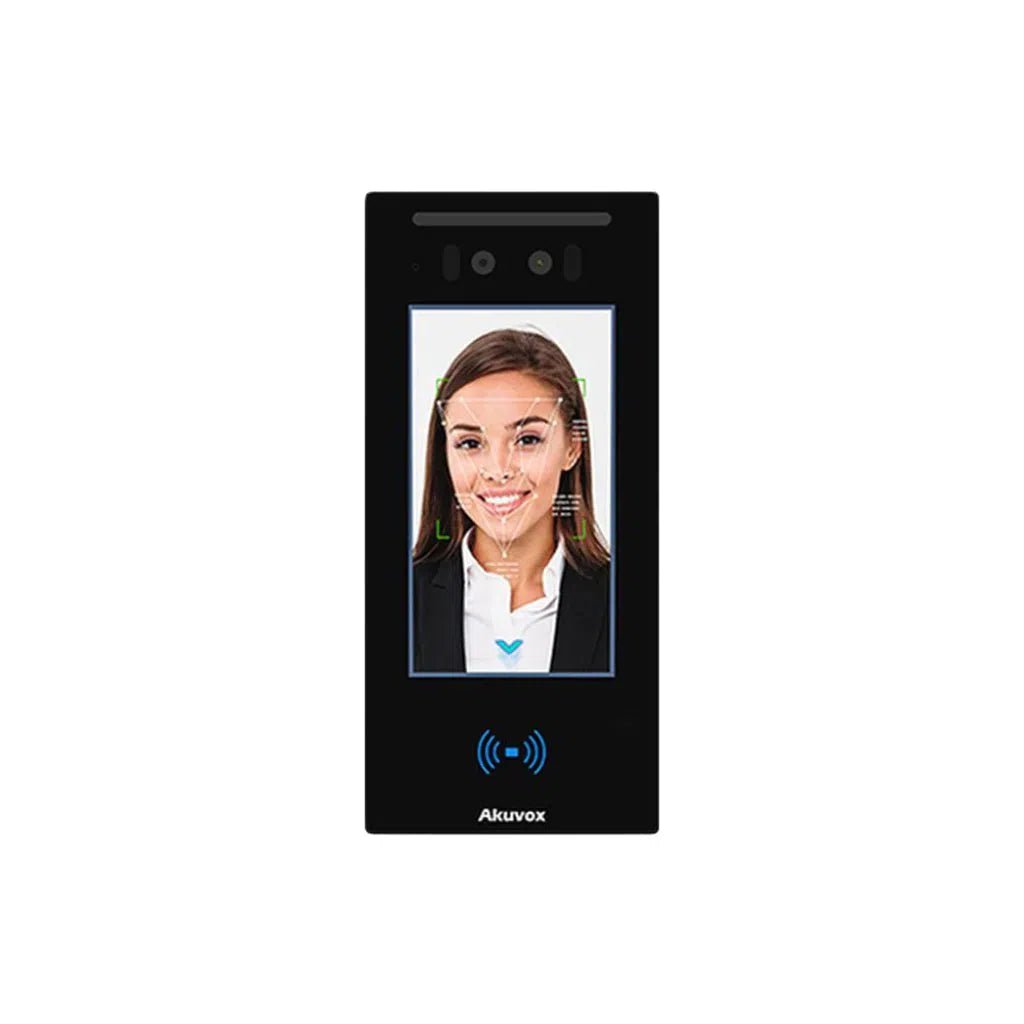
9. Do AI security cameras use facial recognition?
Some do, but it's a distinct feature from general object recognition (person/vehicle/animal detection) and comes with its own, more significant privacy and legal considerations. Facial recognition should be treated as an explicit, separate decision — not assumed to be included just because a camera is marketed as "AI-powered."
10. How do I choose the right AI camera for my home or business?
Start with what you're actually trying to solve — general perimeter alerts and false-alarm reduction call for a good object-detection camera, while a driveway vehicle log calls for a purpose-built ANPR setup. From there, weigh sensor size against megapixels for low-light performance, confirm whether AI processing runs on-device or in the cloud, and get advice matched to your specific site rather than a generic spec sheet. Call Total Security Equipment on 03 9079 5566 for a free consultation.
Additional Information
Melbourne HQ
26 Davies Ave., Sunshine North, VIC 3020
03 9079 5566
Sydney Branch
38 Lisbon St., Fairfield East, NSW 2165
02 8722 0348
Ordering & Support
- Australia-wide prompt shipping
- 100% genuine official stock with full local warranty
- AI-enabled cameras and NVRs matched to your site
- Trade accounts and installer discounts available
- Honest guidance on object detection vs. ANPR camera needs
Not sure whether you need an AI object-detection camera or a dedicated ANPR setup? Contact our Melbourne team on 03 9079 5566 or Sydney on 02 8722 0348 for straight advice before you buy.